Appels à projets du GDR Rift
Aide à la mobilité 2026
Nous avons reçu 21 demandes qui ont été évaluées et arbitrées lors du comité scientifique du 7 avril 2026.
Les onze lauréats remplissaient toutes les conditions d’attribution notamment celle, très importante pour nous, d’avoir un ou une collaboratrice rattachée à une unité de recherche française en France ou à l’étranger (UMR CNRS ou UAR). Nous insistons sur ce point car sans cela, le GDR ne peut pas transférer le montant de la bourse. Pour l’un des candidats qui avait pour projet d’assister à une école d’été en Allemagne, le GDR s’est occupé de prendre en charge ses frais de mission en tant que collaborateur étranger.
La somme totale pour cet appel s’élève à 10780€
Lauréats 2026
- Axelle Gardin
- Maxwell Gitonga
- Flavien Gomez
- Desta Haileyesus Gebregzabher
- Just Laudren
- Raphael Lehman
- Bisrat Lema Bergene
- Boniface Muteti
- Ermias Sengi
- Caroline Wanjiku Kung’u
- Nicolas Zolver-Roos
Lauréats 2026
Bisrat Lema BERGENE
Institut des Mondes Africains (IMAF)/Aix-Marseille University
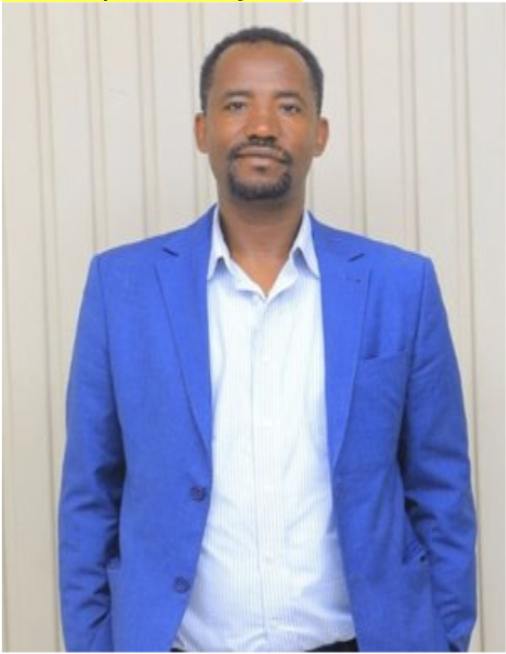
Field of study : History
Country of operation : Ethiopia
I am a doctoral fellow at Aix-Marseille University. My research examines the relationship between the Ethiopian imperial state and local society in Wolaita, Southern Ethiopia, between 1894 and 1974. Moving beyond polarized debates that reduce Ethiopian history to nation-building versus domination and oppression, this work explores how imperial rule actually functioned at the local level. Focusing on land, taxation, and tribute, it examines how ordinary people, especially peasants, experienced, negotiated, and responded to state power.
This research visit is essential for completing the final stage of my doctoral dissertation. It will allow me to verify earlier findings, address a remaining evidentiary gap, and strengthen the empirical foundation of my argument about local governance in southern Ethiopia.
Boniface MUTETI
Laboratoire de physique nucléaire et de hautes énergies (LPNHE), CNRS, Sorbonne Université, Université Paris-Cité.
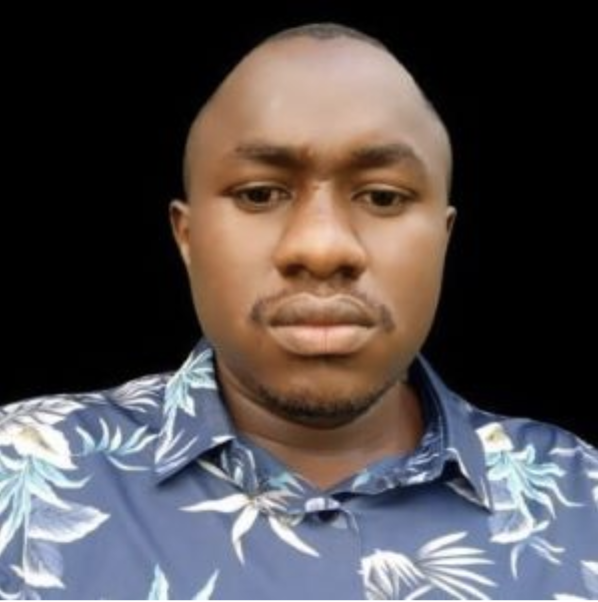
Country of operation : Kenya
I am a MSc Physics student at South Eastern Kenya University (SEKU). My research focuses on muography, a particle-physics imaging technique used to investigate the interior of large natural and industrial structures.
The aim of my study is to contribute to the development of Kenya’s first muon telescope by simulating and optimizing a muon detector system. This work supports muography applications in the Chyulu Hills and other Rift Valley regions for environmental and geological investigations.
This mobility grant will support my travel from South Eastern Kenya University to the University of Nairobi, where I will receive training in muon detector development under the supervision of Dr. Ian Kaniu and Dr. Lydia Roos. The grant will enable me to gain practical experience in muography, thereby preparing me for my funded research stay at LPNHE, Sorbonne Université.
My field of study is Physics, with a specialization in Astroparticle Physics, a branch of science that studies particles arriving from space, known as cosmic rays, and how they interact with the Earth’s atmosphere. My research focuses on muography, a technique that uses naturally occurring particles called muons to look inside large objects in a similar way that X-rays are used to see inside the human body. Muography can be applied to study geological structures, volcanoes, archaeological sites, and other large or dense objects without damaging them.
My work also involves the simulation and optimization of muon detectors. This means using computer models to design, test, and improve instruments that detect muons. By optimizing these detectors, we can obtain more accurate measurements of cosmic-ray particles and produce better images of the internal structure of the objects being studied. This research contributes to the development of advanced particle-detection technologies and their applications in science, engineering, and environmental studies.
Caroline WANJIKU
Institute of Evolutionary Sciences, University of Montpellier
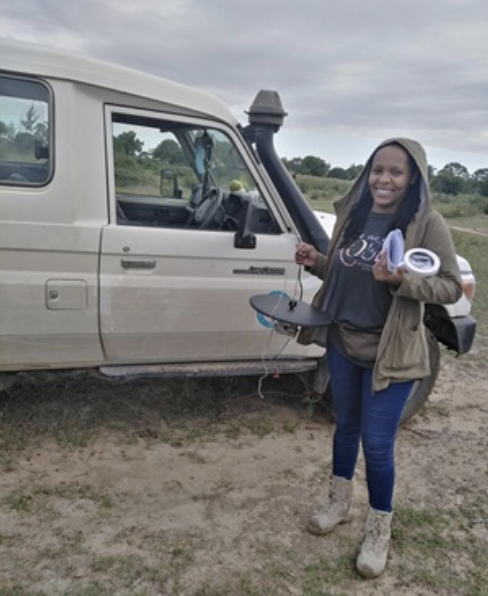
Field of study : Medical entomology
Country of operation : Kenya
I am an early-career postdoctoral researcher at the KEMRI–Wellcome Trust Research Programme in Kilifi, Kenya, with research interests in the development, evaluation, and implementation of innovative, affordable, and scalable vector control Interventions. My current work focuses on the design and evaluation of a simple, low-cost mosquito control device (ATREFEEL) for indoor and outdoor control of malaria and arbovirus vectors. The device is an enhanced adaptation of conventional Attractive Targeted Sugar Bait (ATSB) technology that exploits mosquito sugar-feeding and resting behaviours while integrating novel features, including mosquito-attractive plants and a non-target insect exclusion grid, to improve efficacy and environmental safety.
The mobility grant will facilitate a research visit at the University of Montpelier, France with whom we are collaborating on the ATREFEEL project.
Desta Haileyesus GEBREGZAGHER
Aix-Marseille University (IREMAM)
Field of study : Archaeology
Country of operation : Ethiopia
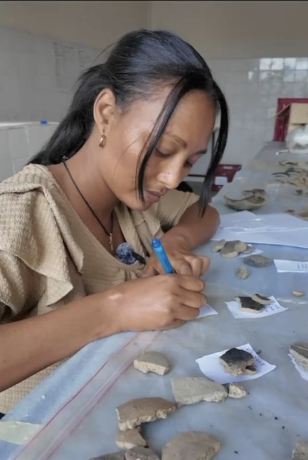
I am a lecturer in Archaeology at Mekelle University and a PhD candidate at Aix-Marseille University. My research focuses on the ceramic assemblage from the archaeological site of Kwiha, investigating variations in pottery production techniques, vessel functions, and ceramic traditions from the Aksumite to the medieval period. By establishing a diachronic ceramic corpus, his work seeks to better understand cultural change, technological developments, and chronological patterns within the long occupational history of the site.
The grant is intended to support my field and laboratory research on the Kwiha ceramic collections housed in Mekelle and Addis Ababa. It covers research-related expenses, accommodation, and transportation between Addis Ababa and Mekelle during the study period.
Ermias Yeshitla SENGI
Centre français des études éthiopiennes (CFEE)
Field of study : Megalithic Archaeology
Country of operation : Ethiopia
I am a PhD student at the Laboratoire TRACES (Travaux et Recherches Archéologiques sur les Cultures, les Espaces et les Sociétés) at Université Toulouse – Jean Jaurès. My doctoral research focuses on the Gedeo stelae monuments. The aim of my study is to reconstruct the chaîne opératoire of the stelae tradition by investigating the raw materials used, quarrying and extraction techniques, and the technological tools involved in their production. In addition, the research seeks to reconstruct the transport routes between quarry sites and stelae locations in order to better understand the technological knowledge and logistical organization of the communities that created these monuments in Southern Ethiopia (Gedeo, eastern margin of the Southern Main Ethiopian Rift).
This mobility grant supports my field survey research on the Gedeo Zone. The funding will enable me to identify and document ancient quarry sites and their associated stelae sites. It will also support the investigation of the raw materials used for stela production and the analysis of technological traces preserved on the stelae, providing insights into their manufacture and the technological traditions.
Axelle GARDIN
Institute of Evolutionary Sciences of Montpellier (ISEM)
Field of study : Paleontology
Country of operation : Ethiopia
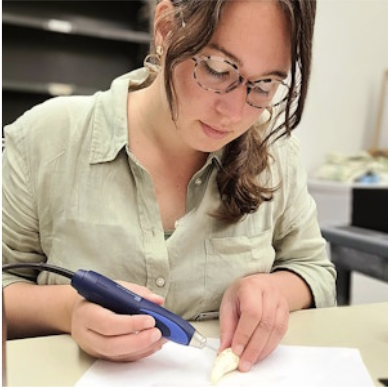
I am a postdoctoral researcher and lecturer at ISEM (University of Montpellier, France). I am a paleontologist specializing in the study of African freshwater vertebrates. My research focuses on reconstructing past aquatic ecosystems, water availability, and seasonal contrasts in tropical environments. I use an interdisciplinary approach combining faunal assemblage analysis, skeletal growth studies, and stable oxygen isotopes.
The GDR Rift mobility grant supported a research stay at the Ethiopian Heritage Authority’s paleontological collections to develop a proof-of-concept dataset using a new multiproxy approach to test the role of freshwater ecosystems as ecological buffers against regional aridity. This study is focused on the lower Omo Valley during the Pleistocene (Shungura Formation). The work at EHA involved the analysis of aquatic faunal assemblages (including sieving, inventory, and imaging), as well as enamel sampling and export preparation for oxygen isotope analyses. These data document the spatiotemporal evolution of freshwater ecosystems and water-stress gradients.
Flavien GOMEZ
Museum National d’Histoire Naturelle, UMR 7194.
Field of study : Paleoanthropology
Country of operation : Ethiopia
Ph.D student at the Musée de l’Homme in Paris, I study the diversity and relationship of fossils attributed to Homo erectus sensu lato around 1 Ma. I try to clarify whether Homo erectus is a morphologically coherent entity or a blend of regional forms.
I’ll go to the EHA museum in Addis Abeba to see some original Ethiopians fossils of hominins. I’ll carry morphological observations and metric measurements on the fossils.
Raphael LEHMAN and Just LAUDREN
AgroParisTech, Paris, France
Field of study : Agriculture
Country of operation : Northern Tanzania
We are students at AgroParisTech, specialized in Agricultural
Development / comparative agriculture. As part of our final year of studies, we are carrying out an agro-economic diagnosis of a small agricultural region, in response to a request from an NGO engaged in extension and training activities focused on agroecological practices. This work is a transdisciplinary and systemic analysis based on fieldwork (landscape reading, interviews with farmers, etc.), enabling these organizations to gain a more detailed understanding of the areas in which they operate and to propose solutions adapted to complex situations.
As part of this field research, we spend a significant amount of time interviewing farmers, with the help of a translator, in order to visit a wide range of production units. This mobility grant supports our daily travel as well as the broader expenses incurred in carrying out this fieldwork.
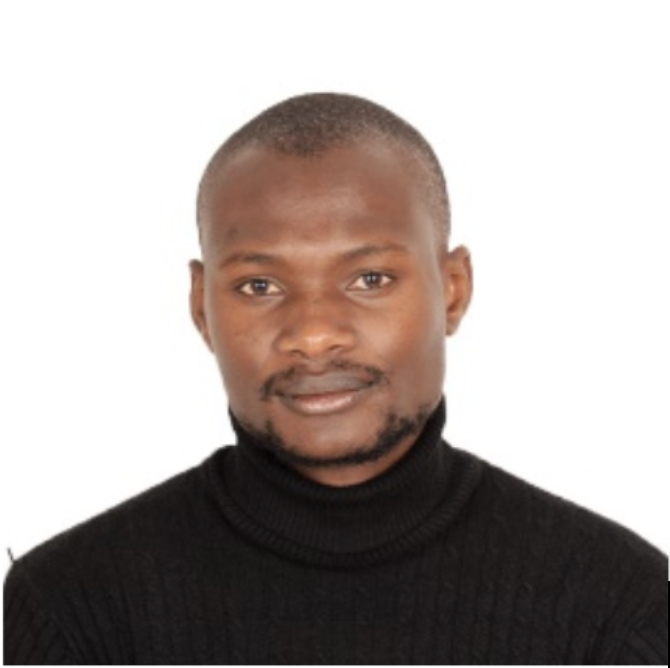
Maxwell GITONGA
I attended the summer school Solvation Science organized by the Cluster of Excellence RESOLV at Ruhr University, Bochum, Germany.
Field of study : Chemistry
Country of operation : Kenya
I am a PhD student in Chemistry at Maasai Mara University, Kenya. My doctoral research focuses on the sol–gel synthesis of terbium manganates (TbMnO₃ and TbMn₂O₅), with particular emphasis on precursor paste development and solvent-controlled reactivity. The aim of my work is to engineer scalable, eco-friendly synthesis routes for functional rare-earth manganates, overcoming solubility and stability challenges while tailoring phase purity and crystallinity. These materials have potential applications in memory devices, sensors, and renewable energy technologies.
The GDR mobility grant supported my participation in the RESOLV Summer School in Bochum. It covered my travel expenses and facilitated local transport by tram and train, allowing me to fully engage in lectures, workshops, and collaborative sessions. The school offered a unique opportunity to deepen my expertise in solvation-driven synthesis and to exchange ideas with international researchers across diverse areas of chemistry. Sessions ranged from organic synthesis and photochemistry to materials synthesis, with a strong focus on solvent–solute interactions. In addition, a career development session provided valuable insights into the application of chemistry across both academic and industrial sectors, sharpening our understanding of how research translates into real-world impact.
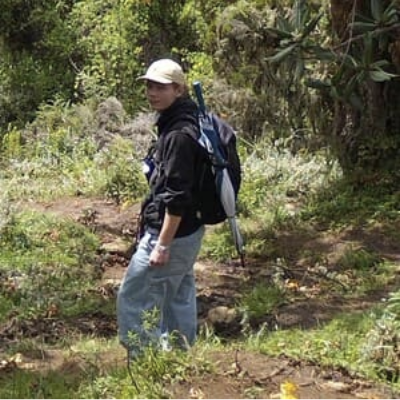
Nicolas ZOLVER-ROOS
EHESS, LAP
Field of study : Anthropology, Political Science
Country of operation : Kenya
I am a master’s student in political studies at the School for Advanced Studies in Social Sciences (EHESS), in Paris, France.
As part of my program, I am conducting research on international organizations involved in refugee assistance in Kenya. I am particularly interested in the question of private sector involvement and market-based solutions for refugees, more specifically in camp settings. Right now in Kenya, policy-makers, NGOs and communities are involved in active discussions to shift refugee assistance programs from a humanitarian to a development-based approach. As such, ‘non-traditional’ actors such as large-scale companies and local businesses are taking more and more importance. Through this research, I thus seek to understand how these international humanitarian and development organizations deal with, foster and/or negotiate private sector involvement.
Thanks to the GDR/RT Rift support, I will be able to fly to Kenya to carry out fieldwork in Nairobi. During a period of three months, I will meet actors from this field and conduct interviews and ethnographic observation within international organizations involved in refugee assistance. In so doing, I hope to shed some light on the discourses and ideas that underpin this shift towards greater private sector participation in refugee assistance programs.
Rappel
L’Aide à la mobilité peut être sollicitée pour des missions d’étude, des formations, du terrain, des colloques. Les allocations reçues ne peuvent être utilisées que pour les frais de missions (voyages, hébergements, repas) du demandeur (accompagnants exclus), et doivent impérativement être engagées avant la clôture de l’exercice 2025. L’aide allouée est soumise aux justificatifs financiers habituels des tutelles. Nous demandons en plus aux bénéficiaires un retour écrit (une page de rapport accompagné d’un récapitulatif des dépenses) et une petite présentation (5 mn type podcast). Les postulants n’ayant pas fournis les justificatifs de leurs demandes précédentes ne pourront pas déposer de nouveaux projets.
Le comité scientifique du GDR